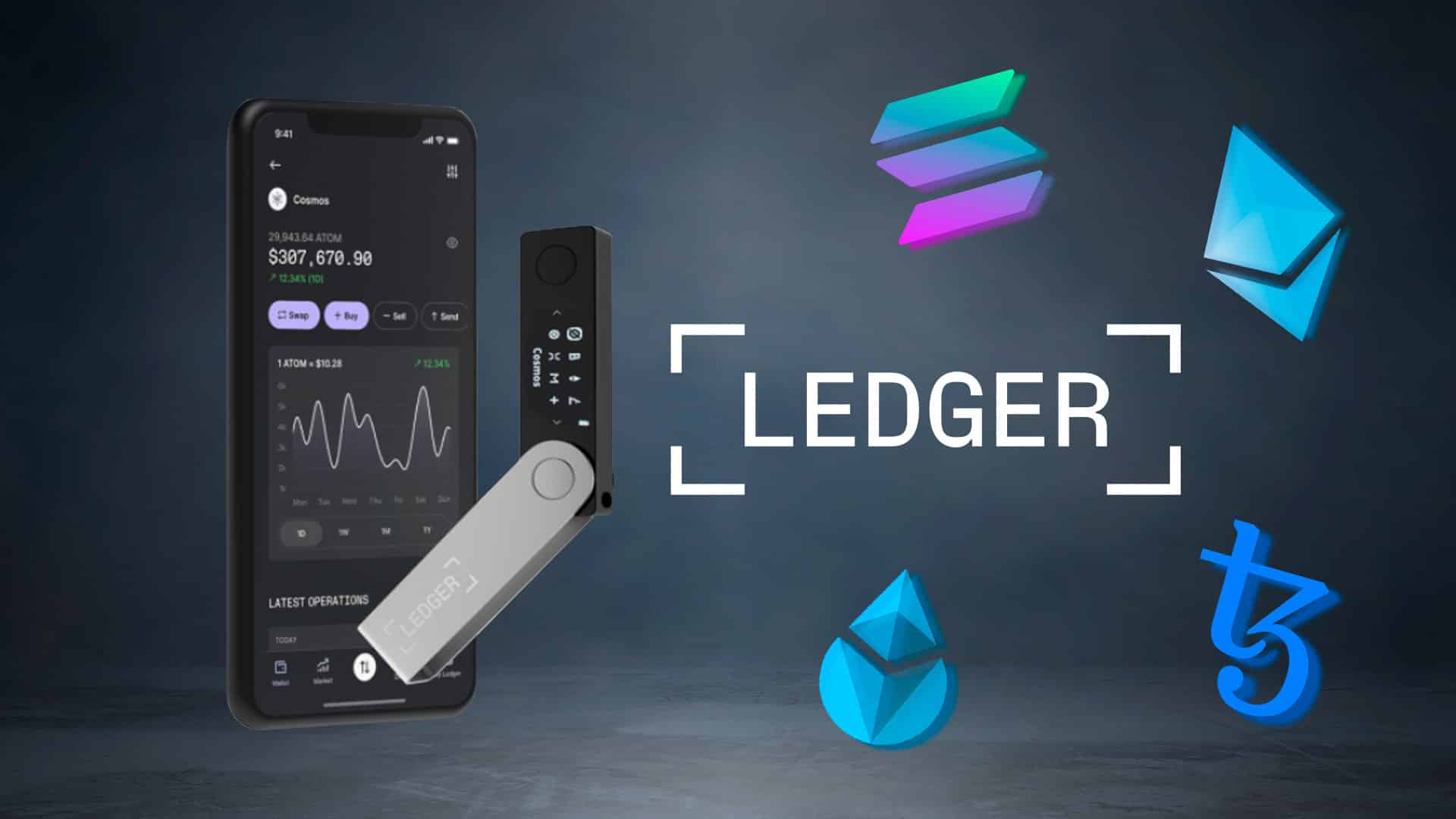
Ledger.com/Start
Welcome to the beginning of your self-custody journey. If you have purchased a Ledger device or are preparing to set one up for the first time, ledger.com/start is the official and safest place to begin. This guide will walk you step-by-step through the entire onboarding process in simple language, helping you understand how Ledger protects your crypto and how to set up your device the right way.
Whether you are new to cryptocurrency or upgrading from a software wallet, this guide ensures you start confidently and securely.
What Is Ledger.com/Start?
Ledger.com/start is the official setup portal for all Ledger hardware wallets, including:
Ledger Nano S Plus
Ledger Nano X
Ledger Stax
This page offers everything you need to safely initialize your device, including:
The official Ledger Live download
Step-by-step device setup instructions
Safety and security guidelines
Firmware update guidance
Tutorials for sending, receiving, and managing crypto
If you’re setting up your Ledger wallet, this is the only website you should trust. Never use third-party download links or unofficial instructions.
Why Choose Ledger for Self-Custody?
Cryptocurrency gives you freedom—but with that freedom comes responsibility. If your digital assets are stored on exchanges or in software wallets, you rely on those platforms to protect your funds. History has shown that exchanges can be hacked, closed, or compromised.
Ledger changes this by giving you true ownership of your crypto:
Your private keys are stored offline
Your crypto remains safe even if your phone or computer is hacked
Every transaction requires manual approval on the device
Supported by a secure chip used in passports and banking cards
Ledger devices are built around the idea that your assets, your keys, and your security belong in your hands.
Unboxing Your Ledger Device
When you open your Ledger box, you should find:
Your Ledger hardware wallet
A USB or USB-C cable
Blank recovery phrase sheets
Instruction cards
Optional accessories depending on your model
One crucial thing: Ledger never includes a pre-written recovery phrase. If your box contains prefilled recovery words or your device comes already set up, stop immediately—this is a sign of tampering. Only you should generate your 24-word recovery phrase during setup.
Step 1: Visit Ledger.com/Start
The first step in your setup is simple: open your web browser and go to ledger.com/start. Double-check the spelling to avoid phishing websites. Once there, select your device model from the list to begin the guided setup.
You’ll be directed to download the official Ledger Live app and follow initial instructions for device configuration.
Step 2: Download and Install Ledger Live
Ledger Live is the companion app for your Ledger device. It acts as your control center for managing crypto, installing apps, viewing balances, and approving transactions.
Ledger Live is available for:
Windows
Mac
Linux
iOS
Android
Only download Ledger Live from ledger.com/start to ensure you receive the legitimate version. Once installed, open the application and choose “Set up a new device” or “Restore from recovery phrase” depending on your situation.
Step 3: Initialize Your Device and Create a PIN
Turn on your Ledger device. The first thing it will ask you to do is choose a PIN code. This PIN protects your device from unauthorized access, just like the lock screen on your phone.
Tips for choosing a secure PIN:
Avoid predictable sequences
Use all available digits
Memorize your PIN or store it safely
You will need your PIN each time you use your Ledger device.
Step 4: Write Down Your 24-Word Recovery Phrase
Next, your Ledger device will display a 24-word recovery phrase. This phrase is the backup to your entire wallet and the most important part of the setup.
This recovery phrase is your safety net. If your Ledger device is lost, stolen, damaged, or reset, you can restore your crypto using these 24 words.
What You Must Do
Write down all 24 words in the correct order
Use the recovery sheets provided
Store them securely and privately
Make a second copy and store it separately
What You Must Never Do
Do not take a photo of the words
Do not store them online or in cloud services
Do not type them into your phone or computer
Do not share them with anyone — including Ledger support
Remember: Anyone with your recovery phrase can control your crypto. Ledger never asks for it.
Step 5: Install Apps on Your Ledger Device
Ledger devices require dedicated apps for each cryptocurrency. For instance:
To manage Bitcoin, install the Bitcoin app
To manage Ethereum, install the Ethereum app
To manage Solana, install the Solana app
To install apps:
Open Ledger Live
Go to My Ledger
Connect and unlock your Ledger device
Choose and install the apps you need
Your device has limited storage, but uninstalling an app does not remove or affect your crypto. You can always reinstall apps later.
Step 6: Add Crypto Accounts in Ledger Live
After installing apps, add the corresponding accounts in Ledger Live. This allows the app to display balances, track transactions, and manage your portfolio.
For each crypto type, simply:
Go to Accounts
Select Add Account
Choose the cryptocurrency
Connect your device and confirm on-screen
Now Ledger Live will show your wallet activity and balances in real time.
Step 7: Receive Crypto Safely
You can now receive cryptocurrency into your Ledger wallet.
To receive crypto:
Click Receive in Ledger Live
Choose the correct account
Unlock and connect your Ledger device
Verify the receiving address on the device screen
Copy or scan the address
Always use the address displayed on your Ledger device. If your computer is infected, it could display a fake address, but the device will always show the correct one.
You can now send crypto to your Ledger address from exchanges or other wallets.
Step 8: Send Crypto Securely
Sending crypto works just as smoothly:
Click Send
Enter the recipient’s address
Enter the amount
Compare the details
Confirm the transaction on your Ledger device
Your private keys never leave the secure chip inside the device. The transaction is only executed when you manually approve it on your Ledger screen.
Step 9: Explore Web3 and NFTs With Ledger
Ledger doesn’t just store your crypto — it connects you to the entire world of Web3 and digital ownership. Using Ledger Live or Ledger-supported dApps, you can:
Buy, sell, and store NFTs
Use decentralized exchanges
Participate in staking
Access DeFi protocols
Play blockchain-based games
Ledger ensures that your private keys stay protected even when interacting with online apps and smart contracts.
Security Tips to Protect Your Wallet
To keep your crypto secure long-term, follow these best practices:
1. Keep your recovery phrase offline and private
Never enter it anywhere except your Ledger device during recovery.
2. Keep your device firmware updated
Use Ledger Live for safe updates.
3. Never share your screen during support calls
Scammers often use screen-sharing to capture sensitive information.
4. Always verify URLs
Phishing websites are one of the biggest threats.
5. Beware of anyone asking for your 24 words
No company, service, or person needs this phrase.
Troubleshooting Common Issues
Device not detected?
Try a different USB cable or port.
App storage full?
Uninstall unused apps to free space.
Balance not refreshing?
Click Refresh or restart Ledger Live.
Forgot your PIN?
Reset your device and restore with your 24 words.
Start Your Journey With Confidence
By beginning at ledger.com/start, you ensure your device is set up correctly, your security is protected, and you’re using the official tools. With Ledger, self-custody becomes simple, safe, and empowering.